Code
Gameplay systems, tools, physics, UI logic, shaders, builds, and the glue that makes the project run.
Global Game Jam is 48 hours of making: form a team, choose a direction, learn what you need, and ship something playable before the weekend ends.
Bring the skill you already have, then practice rapid prototyping, teamwork, tools, playtesting, and presenting a finished build.
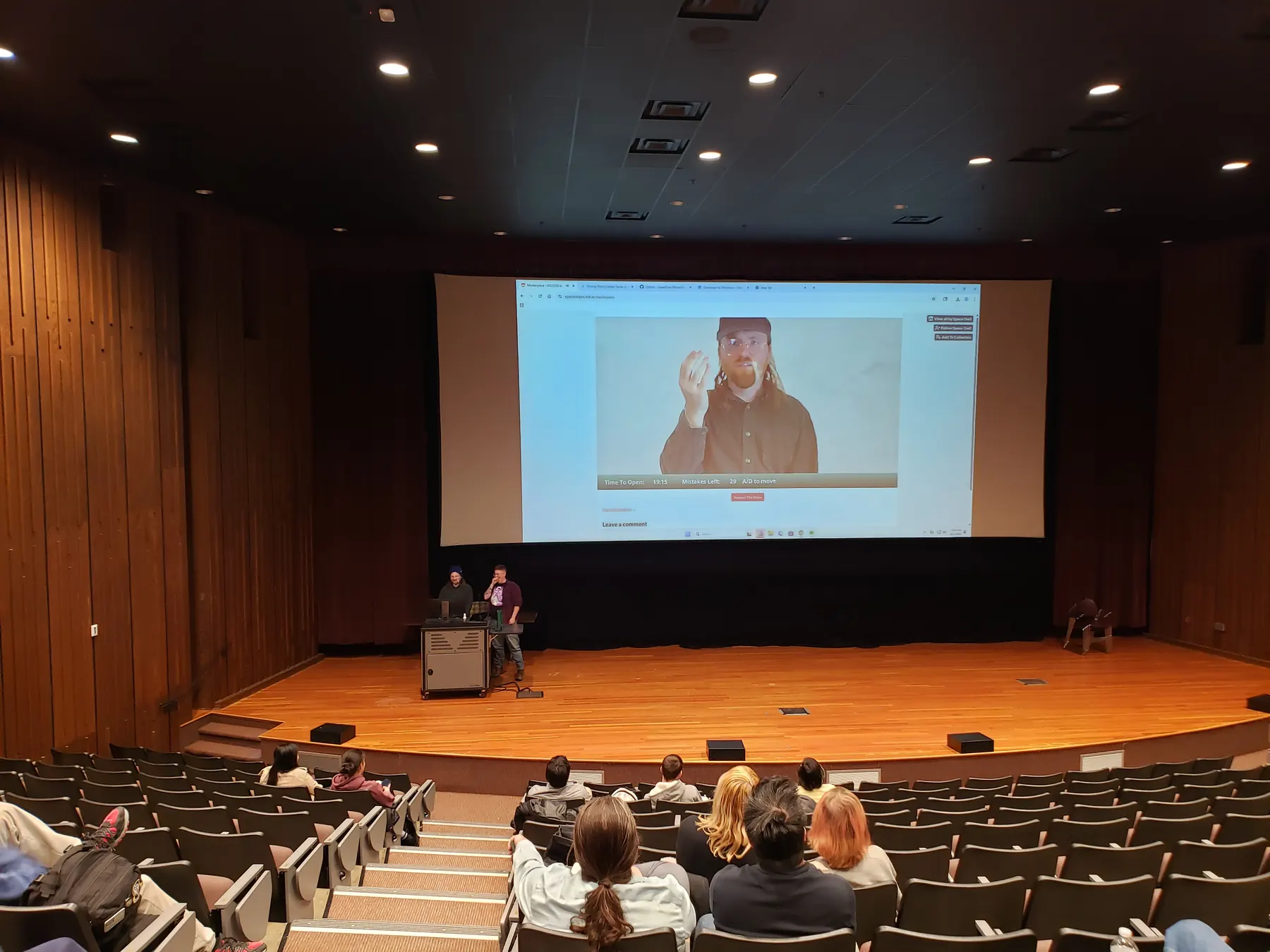 PFW Global Game Jam / closing showcase
Game development is one of the few student projects where code, image, sound, narrative, interaction, and production all have to meet in the same artifact. You do not need to do everything. You need to bring something the team can use.
Pick a lane you already understand, or use the weekend to try one you do not. Small teams benefit from people who can move between disciplines without treating any one of them as secondary.
Gameplay systems, tools, physics, UI logic, shaders, builds, and the glue that makes the project run.
Characters, environments, animation, sprites, models, materials, visual effects, and a visual language the team can actually finish.
Rules, player goals, level flow, mechanics, onboarding, balancing, interaction, and deciding what the game is really about.
Music, ambience, sound effects, feedback, rhythm, voice, and the emotional texture that makes a prototype feel deliberate.
Dialogue, worldbuilding, jokes, narrative structure, tutorials, UI copy, naming, and shaping how the game communicates.
Scope, task breakdown, playtesting, triage, documentation, presentation, and helping a pile of ideas become a finished build.
Game jams push you through the whole project loop quickly: choose a direction, build, test, revise, finish, and put the result in front of other people.
Turn a broad prompt into a playable mechanic, test it early, and learn what to cut when the clock is real.
Get practical time with game engines, source control, asset pipelines, build tools, shaders, UI systems, and the tools your team actually needs.
Coordinate code, art, audio, writing, design, and production around one shared build instead of six separate assignments.
Watch other people use what you made, find friction quickly, and revise the game around what players actually do.
Demo your work, explain design decisions, answer questions, and get more comfortable talking about technical creative work.
Take an idea through the whole loop—concept, prototype, production, testing, and showcase—and leave with something that actually runs.
PFW ACM's 2025 participant survey found that only 19% of respondents came in with prior game-design experience, while more than 90% said they learned something. Students reported learning engines, design, UI, programming, project management, organization, and art-related work.
2025 participant survey
A good jam weekend has a rhythm. The clock is real, but the deadline is useful: it forces the team to choose, test, cut, and finish.
Everyone starts with the same worldwide prompt. The first job is not coding—it is deciding what your team wants to make of it.
Get the core interaction working early. Ugly is fine. A playable idea gives the rest of the team something concrete to react to.
Art, code, sound, writing, design, and production converge. Teams learn tools on demand and cut what will not fit.
Test it, fix the painful parts, add feedback, package the build, and decide how to present what survived the weekend.
Put the game in front of other people. Demo it, watch them play, explain the choices, and see how other teams approached the same prompt.
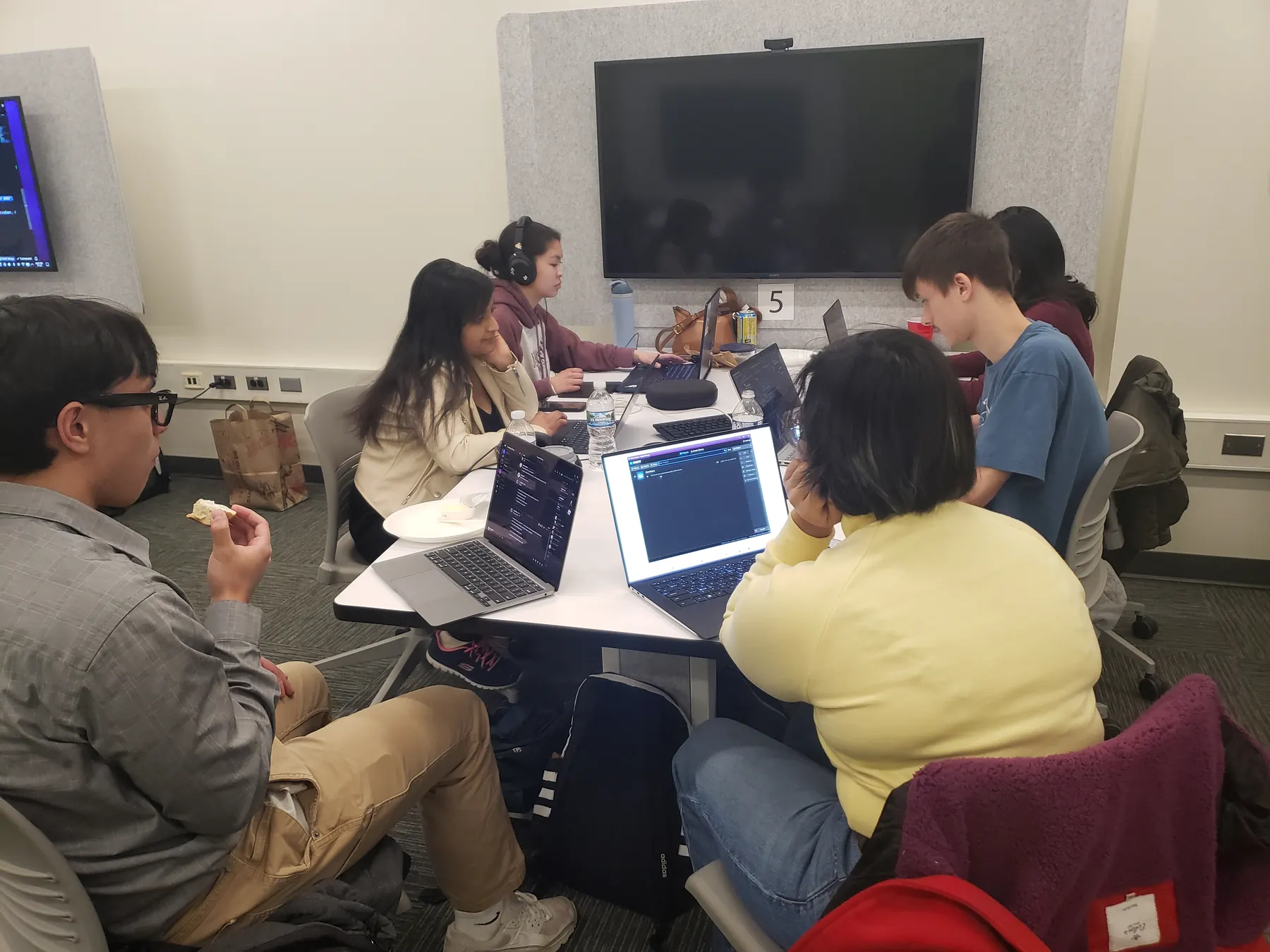
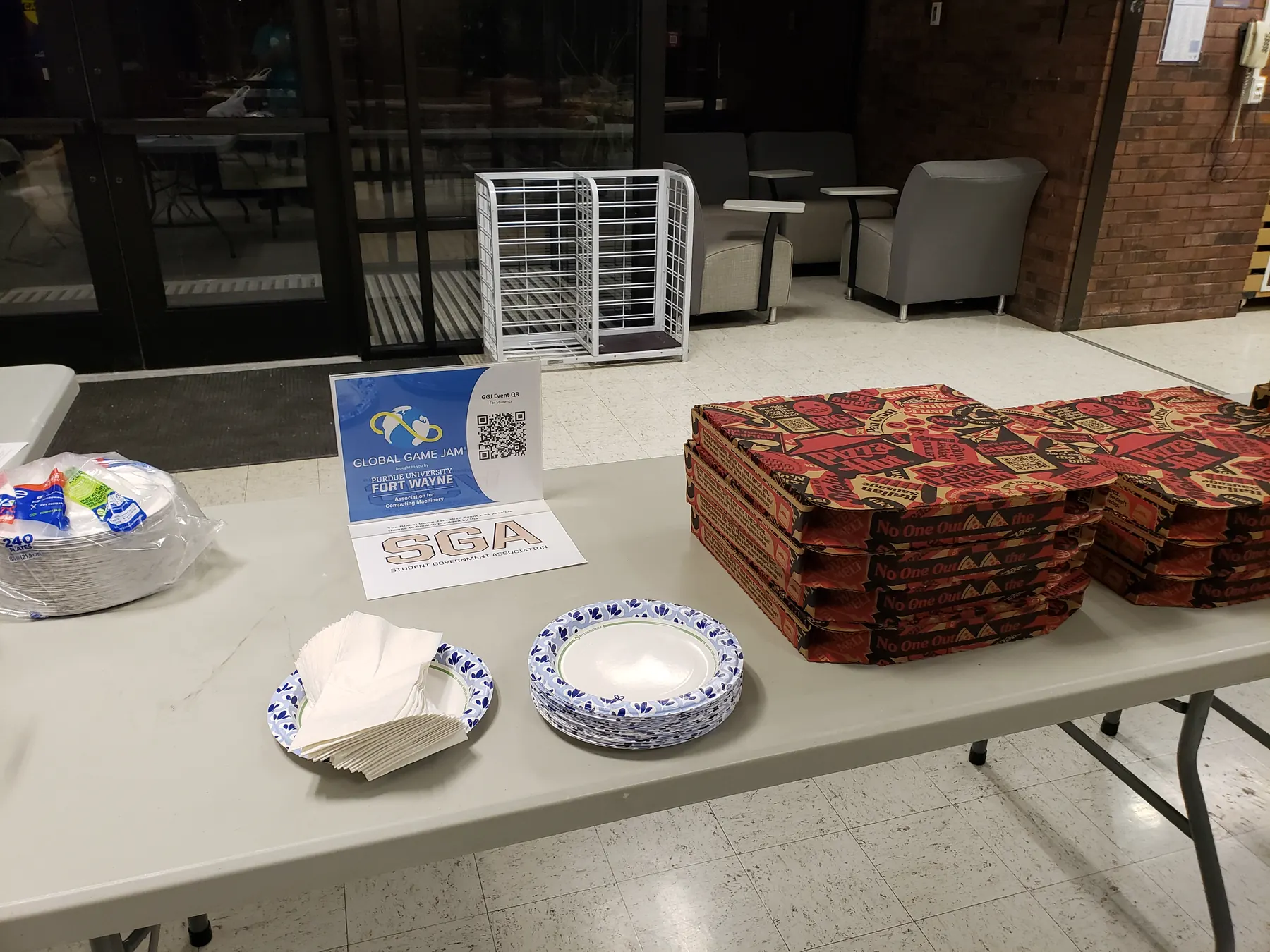
The 2026 theme was “Mask.” The useful part of a jam theme is not conformity—it is seeing how far different teams can push the same constraint.
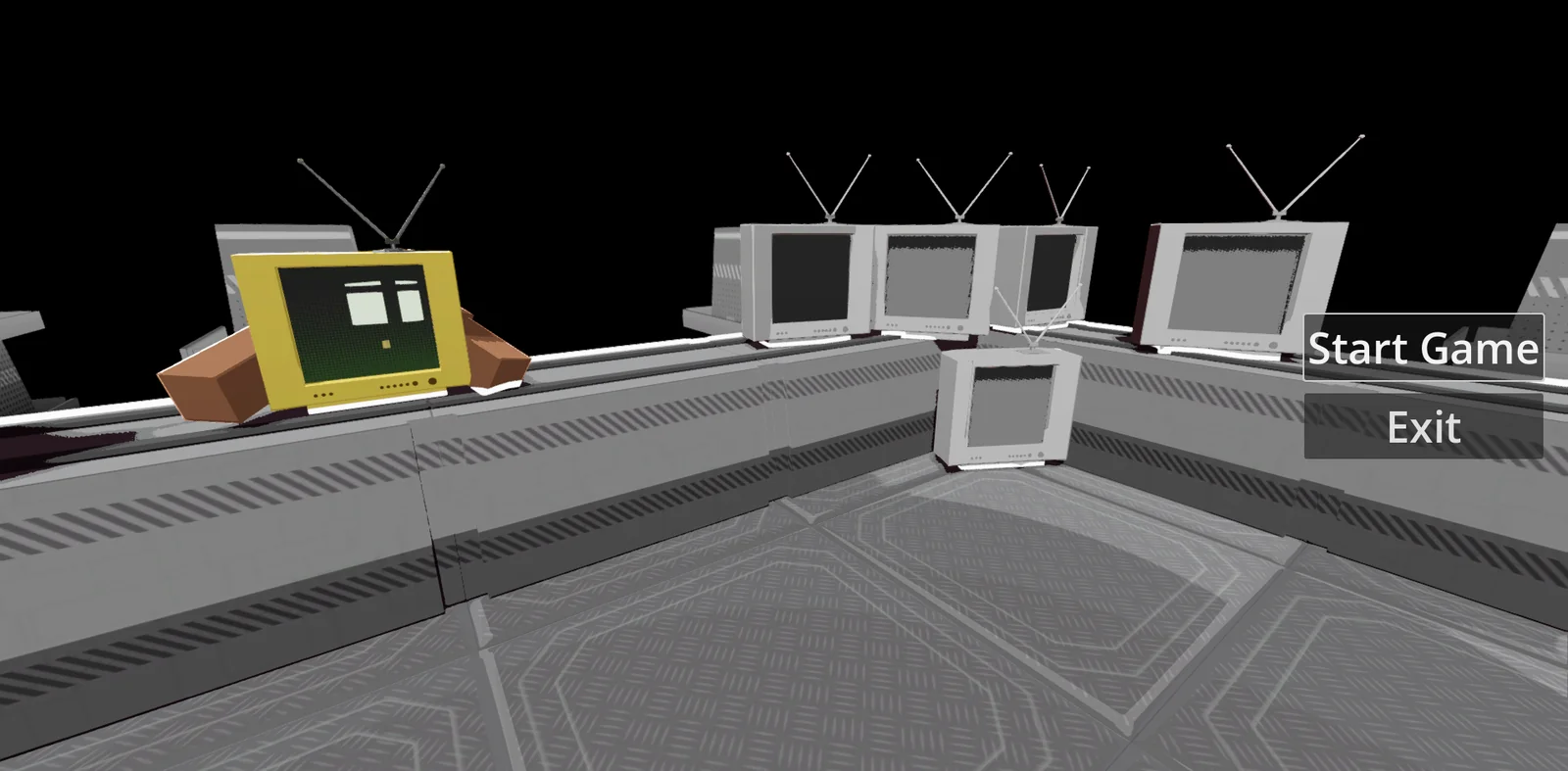
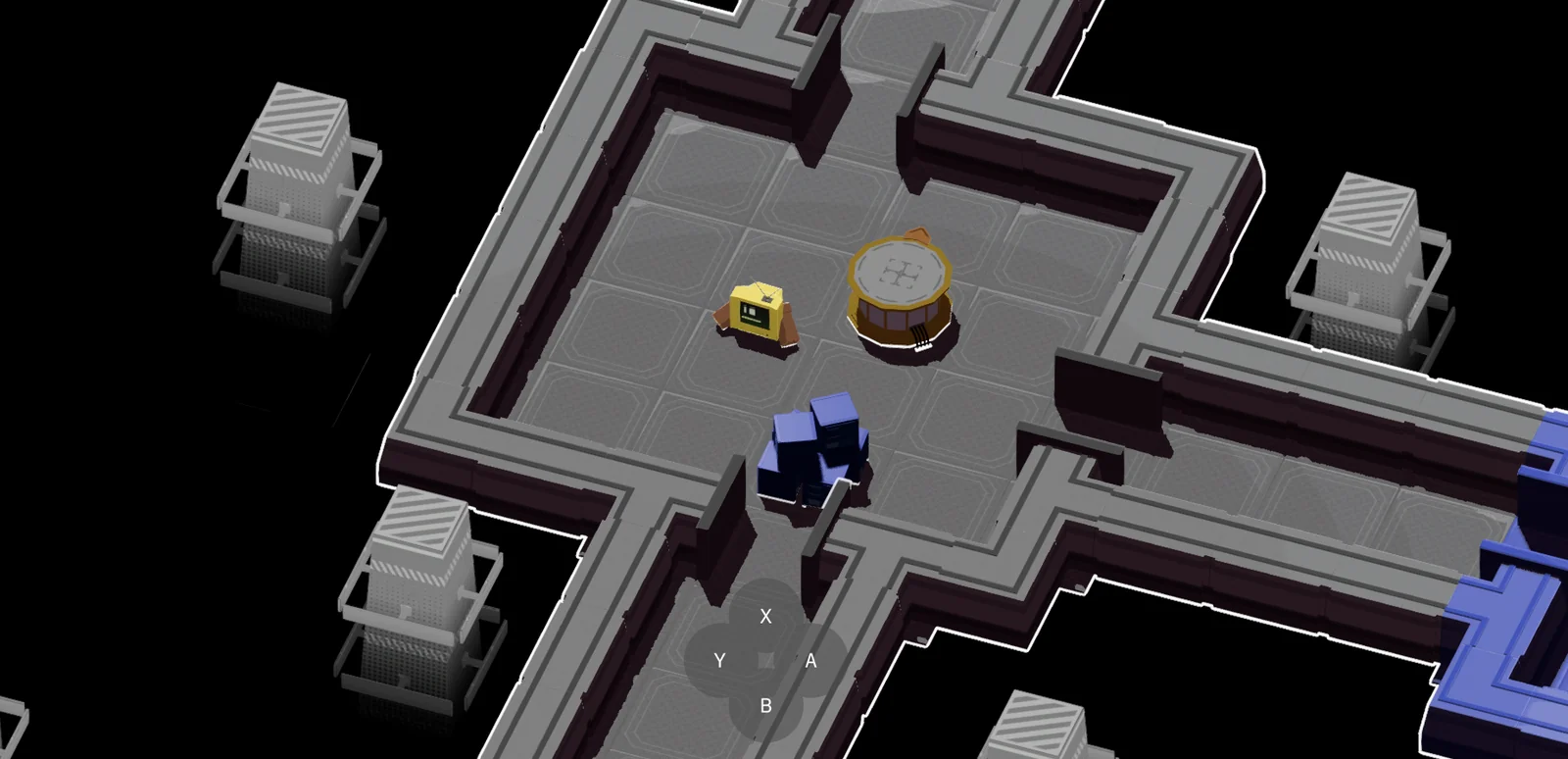
An orthographic puzzler about masking the world with stencils to open a path forward. The team used a custom toon shader, blend shapes, Blender, and Substance Painter, with all art, assets, and sound created during the jam.
Game screenshot / credits: Programming: foopis23, jamac. Art: speedgoergo.
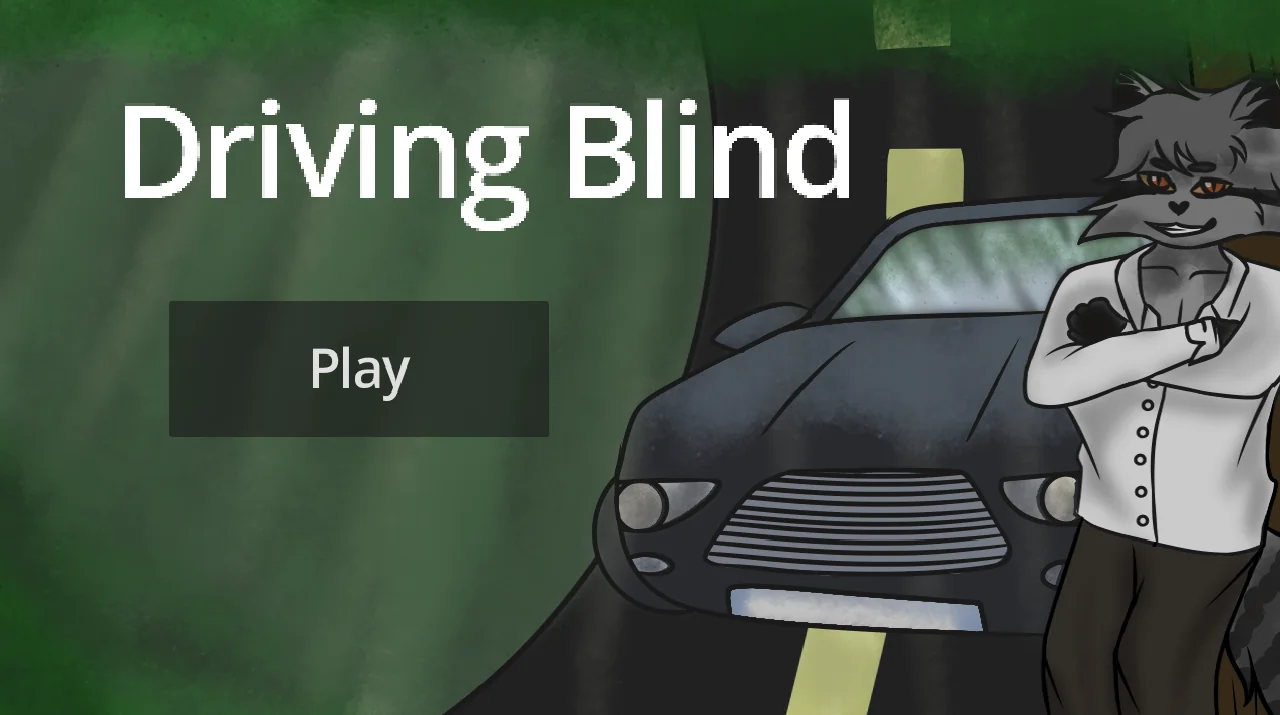
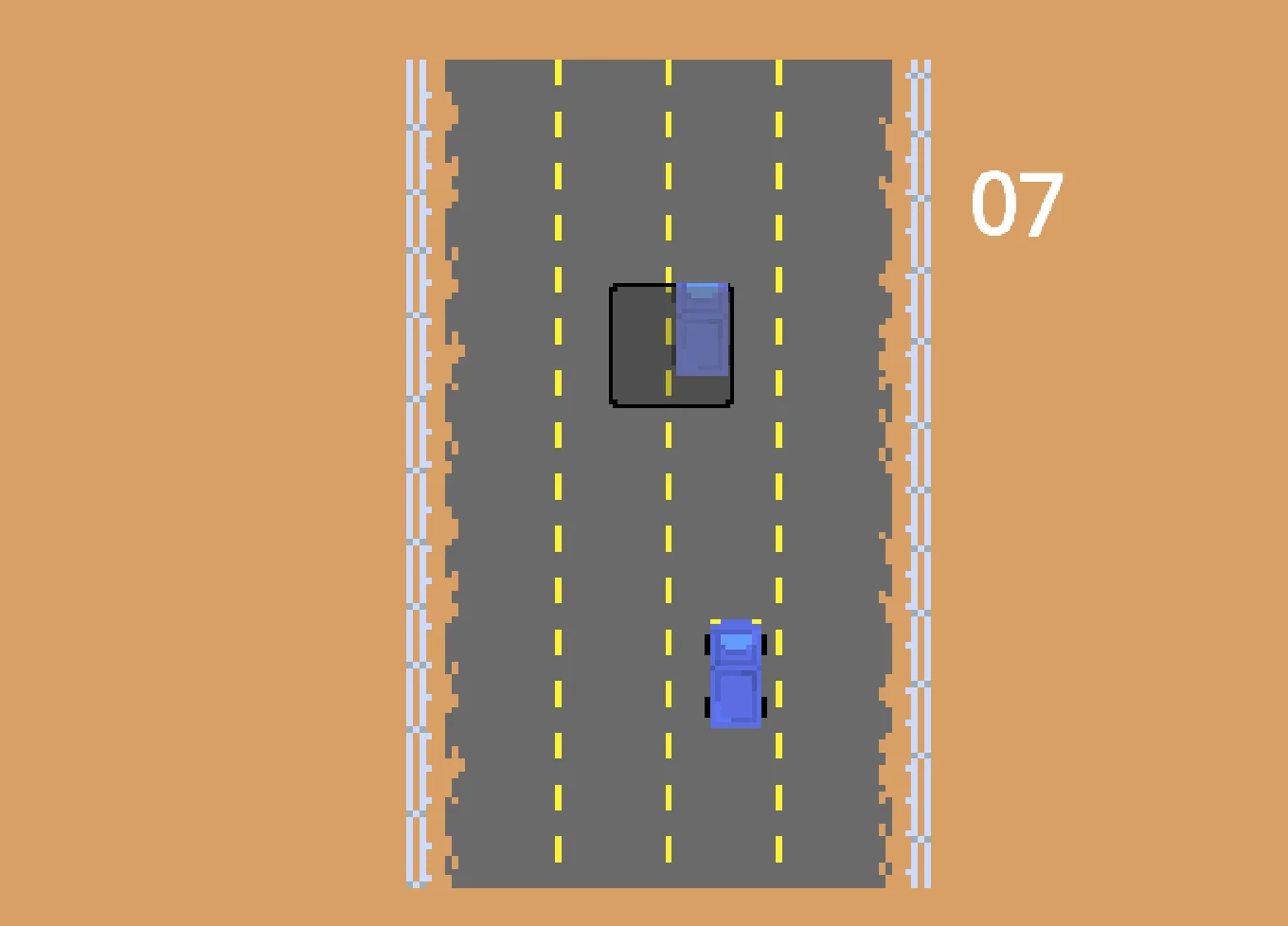
A top-down driving game built around image masking: reveal cars on the road before you collide with them. It turns the jam theme into the core interaction instead of treating it as decoration.
Game screenshot / credits: GGJ project contributors: ghostmice, MisledWater79, whalesarefish, Leshy_Magnificus.
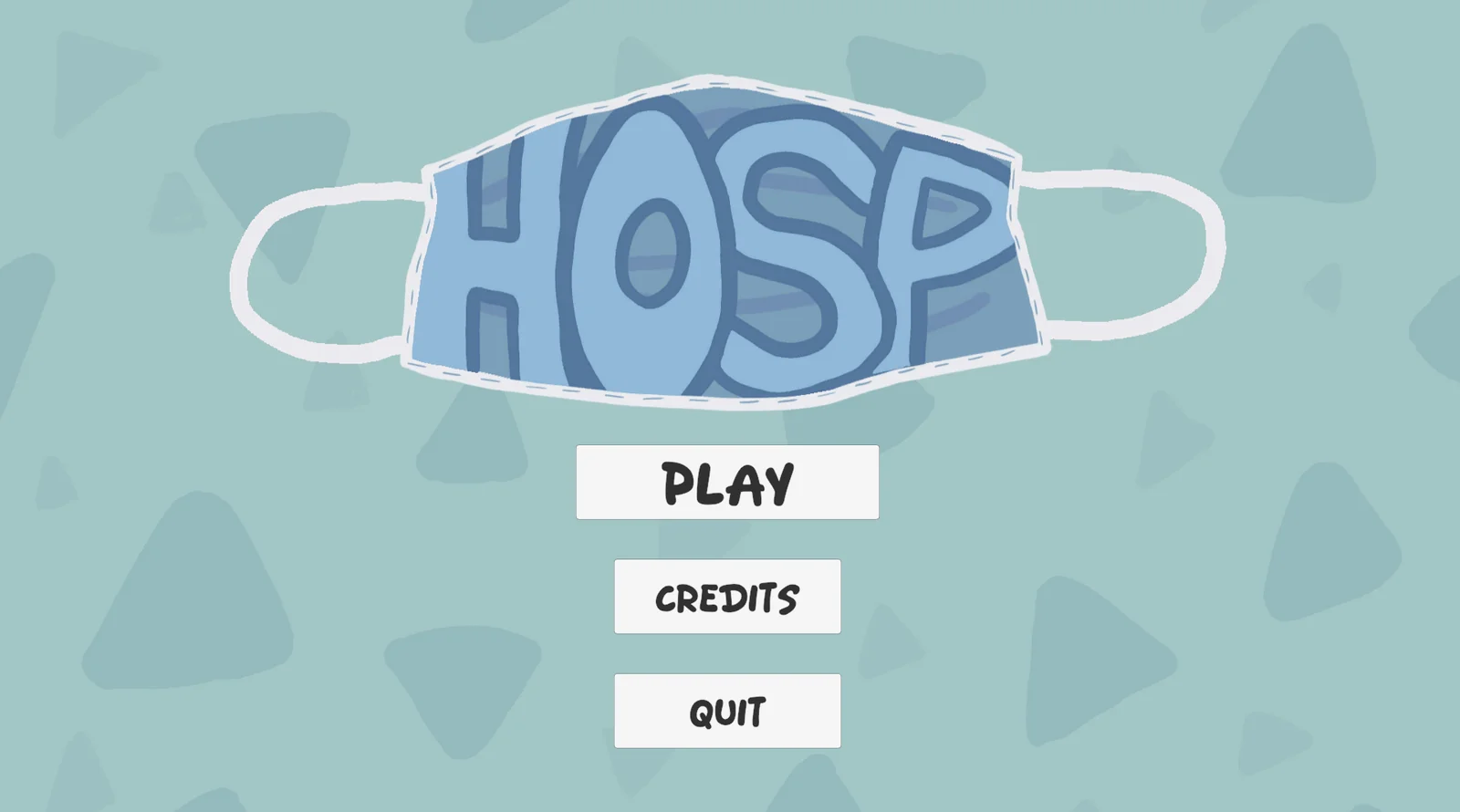
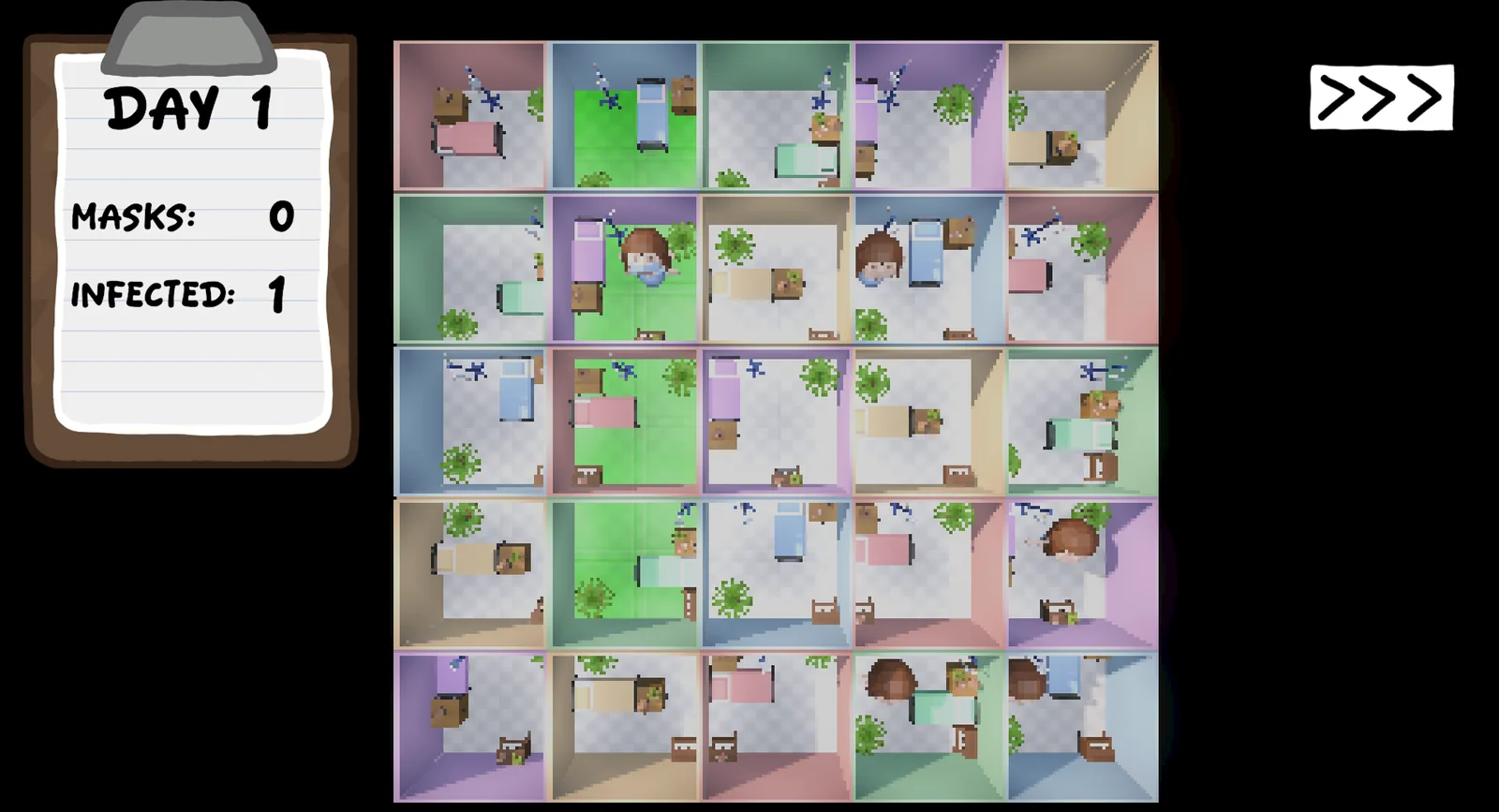
A logic puzzle about containing an asymptomatic virus by allocating masks to patients. The University of St. Francis Game Meat team joined the PFW jam site, adding another school and another set of disciplines to the room.
Game screenshot / credits: Programming: Emmalee Fecher, Xavier Harding, Jagger Walraven. Art: Austin Harrigan, Mersina Muslic, Christian Rogers. Music: Caleb Harrigan.
The jam ends by putting projects in front of other people. At PFW, teams use the closing session to demo their games, explain what worked, show what broke, and compare how different groups approached the same prompt.
That last step is useful practice too: presenting forces you to articulate design decisions, answer questions, and see your project through someone else's eyes.
demo / explain / play / compare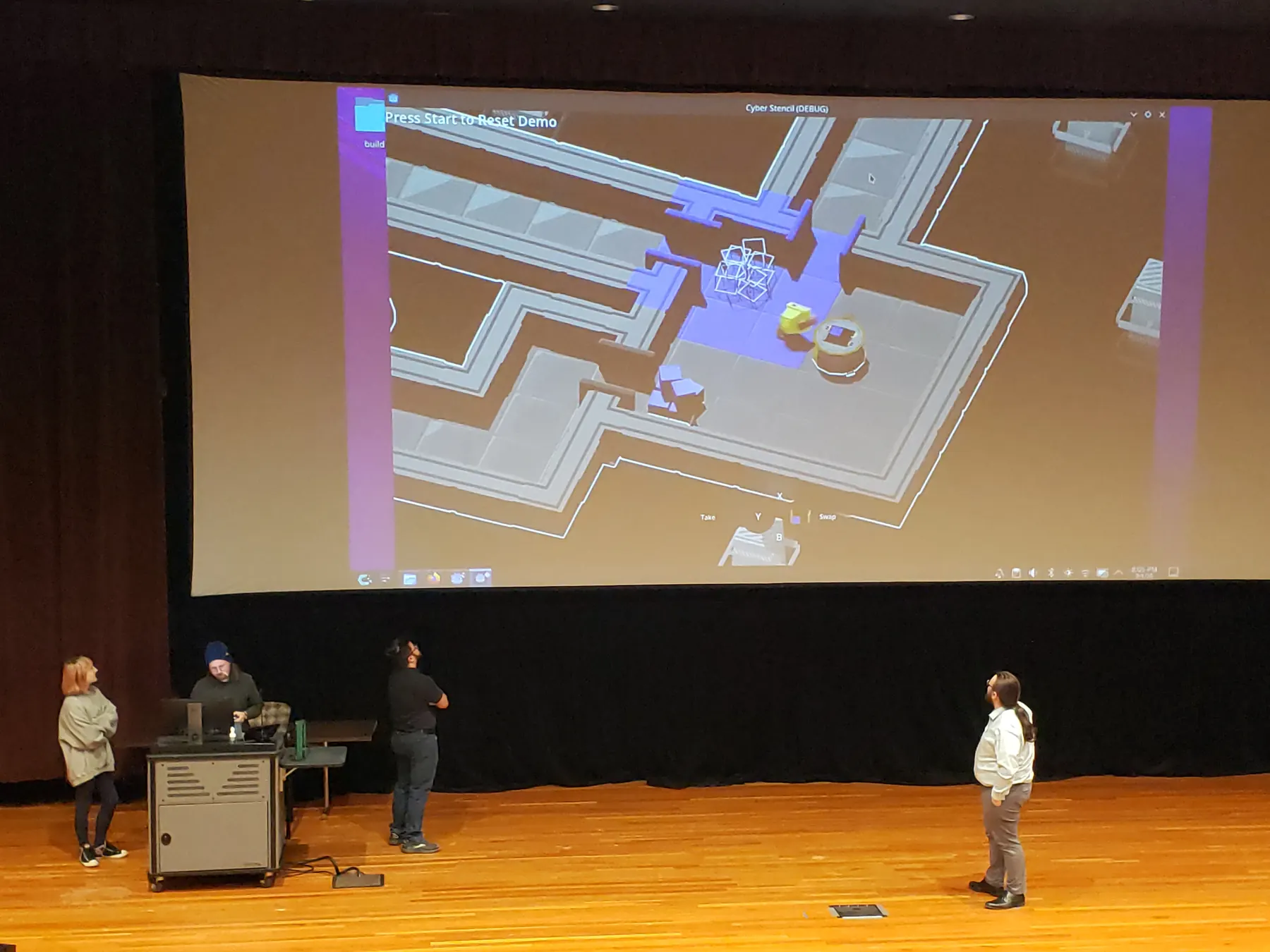 GGJ 2026 / student-led auditorium showcase
You do not need a perfect pitch, a finished team, or years of experience. Show up ready to contribute what you know, pick up something new, and help the team finish.